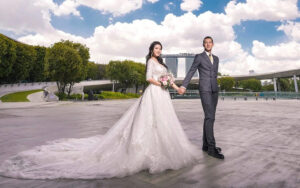



Key Takeaways:
- The golden ratio in photography structures images using harmonious proportions, moving beyond standard centering.
- It guides how the subject, background, and empty space are arranged so the image does not feel stiff or overcrowded.
- For portraits, it helps draw attention to the face, expression, and overall presence. For group and family photos, it helps arrange people clearly while keeping the image warm and connected.
- In professional photography, the golden ratio supports a more polished result, especially for corporate headshots, personal branding images, and other photos where first impressions matter.
Introduction
When people look for a professional photoshoot, they often focus on lighting, outfits, makeup, or choosing the right studio. These details matter, but one of the quietest elements behind a polished photo is composition. A well-composed image can make you appear more natural, draw attention to your expression, and create a balanced result.
Behind that natural, polished look, the golden ratio often plays a subtle role. In photography, the golden ratio is a composition principle that helps photographers arrange subjects, space, and visual details in a natural way.
While the ratio is based on a mathematical concept, its real value lies in how it shapes the final image. Understanding the principle can help you appreciate why some photos appear more refined and effortless than others.
What Is the Golden Ratio in Photography?
The golden ratio is a visual guide used to create balance within an image. Instead of placing the subject randomly or always in the centre, the photographer uses natural proportions to guide where the person, background, and key details should sit within the frame.
In simple terms, the golden ratio helps a photo feel “right” to the viewer. Visually, it guides the photographer to place the most important element, like a client’s face, at a specific, visually harmonious intersection. It creates a sense of flow, making the image look more pleasant. For people who feel nervous in front of the camera, this matters because good composition does not require you to pose perfectly. A skilled photographer can use framing, angles, and direction to create natural final images.
Why the Golden Ratio Matters in Your Photos
A good photo does more than capture what you look like. It influences how the viewer experiences the image. Composition affects whether the photo looks relaxed, confident, warm, professional, or overly stiff. The golden ratio helps photographers create that sense of ease and visual balance.
1. It Creates a More Natural and Flattering Look
Many people worry about looking stiff or uncomfortable during a photoshoot. One reason this happens is poor positioning. When the subject sits too squarely in the middle of the frame, the photo can lose depth.
Based on the golden ratio, photographers can position you slightly off-centre or guide your body angle to feel more relaxed. This creates a more flattering look without forcing you to pose.
2. It Draws Attention to What Matters Most
In most portraits, the most important part of the image is your face, expression, or connection with the camera. A strong composition guides the viewer’s eye towards these details.
Through the golden ratio, photographers can frame the image so your expression stands out naturally. For professional portraits, this helps create a composed image. The background, lighting, and framing are kept intentional, so your expression and presence remain the main focus.
3. It Makes Photos Feel Less Staged
One of the biggest concerns people have about photo shoots is looking too posed. This is common in studio settings, where people may not be sure about where to stand, how to smile, or what to do with their hands.
The golden ratio helps reduce that staged feeling by creating movement and flow within the image. To prevent awkward posing, the photographer adjusts the posture and framing to make the image appear more candid. This is one reason professional portraits can look both polished and natural at the same time.
4. It Improves Group and Family Photos
Group and family portraits can be more challenging because several people need to fit into one frame without creating a crowded result. A photographer has to consider height, spacing, body angles, expressions, and the relationships between each person.
The golden ratio helps arrange people in an organised way, but not overly structured. It allows the photographer to balance faces, body positions, and empty space so that everyone is included clearly. For family sessions, this helps foster a sense of closeness, making the photo look more genuinely shared.
5. It Enhances Professional and Corporate Images
For corporate headshots and business portraits, composition plays a part in how someone is perceived. A poorly framed image can feel unbalanced or distracting, while a well-composed portrait may look confident and approachable.
Using golden ratio principles can help create a stronger first impression for LinkedIn profiles, company websites, name cards, press features, and internal corporate materials. For businesses that are booking photography services in Singapore for professional profiles, good composition helps create credible images.
How Photographers Apply the Golden Ratio During a Photoshoot
Most clients do not need to understand the technical side of the golden ratio. What matters is how the photographer applies it during the session to make the experience easier and the final result stronger.
1. Positioning You Within the Frame
Instead of placing you directly in the middle of every shot, photographers may position you slightly to one side while leaving space in the frame for balance. This creates a more engaging composition and helps the image feel less rigid.
This is useful for portraits where the direction of your face, shoulders, or gaze can influence how the viewer experiences the image. A small adjustment in placement can make the photo appear more visually natural.
2. Guiding Your Posture and Angles
Golden ratio principles can also influence how the photographer guides your posture. You may be asked to turn your shoulders slightly, shift your weight, tilt your face, or adjust where your hands rest.
These instructions may seem small, but they help create balance between your body, face, and the surrounding space. A good photographer will not overwhelm you with technical details. Instead, they guide you step by step so that you can pose naturally.
3. Using the Background to Support the Shot
The background should never compete with the subject. In a photo studio setting, photographers can control backdrops, lighting, props, and space more carefully. This allows them to arrange the environment to support the shot.
For example, background lines, lighting gradients, or empty space can guide attention to your face. This intentional use of empty space, often called ‘negative space,’ is a core component of composition that prevents the subject from feeling visually crowded. Even simple studio backgrounds can be composed thoughtfully to create depth and balance.
4. Refining the Image Through Cropping
Composition does not end when the photo is taken. During editing, photographers may refine the crop to improve balance, remove distractions, or strengthen focus.
Cropping can make a major difference in the final image. A portrait that feels slightly uneven can be polished with careful adjustments. By applying golden ratio principles during post-production, photographers can strengthen the focus and give the final photo a cleaner sense of balance.
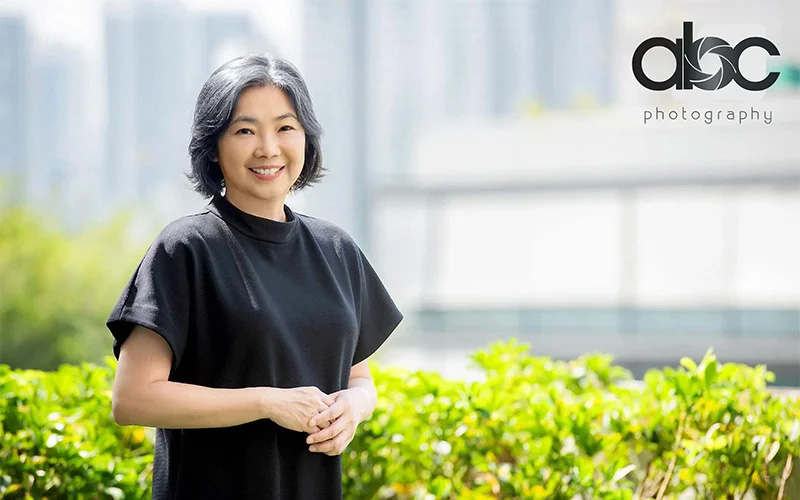
How Professional Guidance Makes the Golden Ratio Work for You
The golden ratio in photography is about creating photos that feel balanced, flattering, and easy to look at. When applied well, it helps guide attention, reduce awkward posing, improve group arrangements, and create stronger professional images.
For anyone planning a photoshoot, this is one of the reasons professional guidance matters. A photographer does more than press the shutter. They shape the composition, direct your posture, manage the background, and refine the final image so you look natural and confident.
At ABC Photography, the focus is on creating a comfortable and guided experience for every client. Established in Singapore in 2006, we have built our reputation over more than 20 years by combining technical expertise with a practical, client-friendly approach.
During each session, our photographers apply composition principles such as the golden ratio through positioning, framing, and direction. Clients are guided clearly, so there is no need to worry about how to pose, where to stand, or where to look. This allows you to focus on feeling at ease while the photographer manages the technical details behind the image.
The studio environment also supports this process. With a fully equipped and flexible setup, lighting, backgrounds, and compositions can be adjusted for individual portraits, corporate shoots, family sessions, or other professional photography needs. This helps maintain consistency while still allowing genuine expressions and natural moments to come through.
If you are considering a portrait, family session, or studio photoshoot in Singapore, working with us helps bring composition, lighting, and guidance together for polished, natural-looking photos.
Contact us to plan a photoshoot suited to your needs.