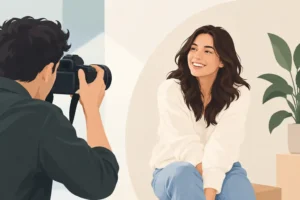


A corporate headshot often appears before you do. It may sit beside a leadership bio, introduce you to a prospective client, or help a new colleague put a face to your name. The best poses for corporate headshots do not look stiff or overly rehearsed. They create a polished first impression while still looking like you on a good, confident day.
For many people, posing is the most stressful part of a headshot session. You may worry about where to place your hands, whether to smile, or how to avoid looking uncomfortable. The good news is that a strong professional portrait is built from small adjustments, not dramatic poses. With thoughtful direction, comfortable lighting, and a pose that suits your role and personality, you can look capable, approachable, and at ease.
Why Corporate Headshot Posing Matters
A headshot has a specific job. Unlike a casual portrait, it needs to communicate something about how you show up professionally. A financial adviser may want to project calm assurance. A creative director might prefer a more relaxed, expressive image. A company leader often needs a portrait that feels authoritative without appearing distant.
Your posture, expression, and angle all affect that message. Standing squarely toward the camera can feel direct and formal, while turning slightly creates shape and softens the image. A relaxed smile can make you seem accessible, but a gentle closed-mouth expression may be more fitting for certain executive or legal roles. There is no single correct corporate pose. The right choice depends on your industry, personal brand, and where the photograph will be used.
Best Poses for Corporate Headshots
The Slight Turn With Shoulders Relaxed
For most professionals, a slight turn is the most dependable place to begin. Rather than facing the camera completely straight on, turn your body about 30 to 45 degrees and bring your face gently back toward the lens. This adds natural dimension to the shoulders and jawline while keeping your attention focused on the viewer.
Let your shoulders drop rather than pulling them back too forcefully. Good posture should look open, not military. Think of lengthening through the top of your head and settling your shoulders down and away from your ears. This simple adjustment helps you appear more composed without looking tense.
The Seated Forward Lean
A seated pose is an excellent option for executives, consultants, and professionals who want a confident but conversational feel. Sit near the front of the chair instead of sinking into the backrest, keep both feet grounded, and lean forward very slightly from the hips.
This subtle forward movement signals engagement. It can also prevent the camera from flattening your posture. Keep the lean small. Too much can feel overly eager or place your face too close to the lens. A photographer can fine-tune the chair position and camera height so the result feels balanced.
The Standing Pose With Hands Lightly Placed
If your session includes more than a close crop, standing gives you room for a poised, modern corporate portrait. One hand can rest lightly over the other at waist level, or one hand can sit naturally in a pocket with the thumb visible. The goal is to give your hands a purpose without making them the focus.
Avoid clenching your hands, pressing your arms tightly against your body, or crossing your arms too firmly. These choices can make the image look guarded. A light hand placement creates cleaner lines and helps you settle into the pose. For a more casual business setting, you might hold a jacket lapel or rest one hand on a table, provided it suits the image style.
The Gentle Head Tilt
A small head tilt can add warmth to a corporate headshot, especially for professionals whose work depends on trust, care, or personal connection. The key word is small. A dramatic tilt can look informal or dated, but a subtle shift can soften the expression and make the portrait feel more natural.
This pose works well when paired with a relaxed smile and slightly angled shoulders. It may be less suitable for a highly formal leadership portrait, where a level head position tends to communicate more authority. Your photographer should guide you through both options so you can see what feels most like you.
The Direct, Level Gaze
A direct gaze into the camera is one of the strongest ways to communicate confidence. Keep your chin level or slightly forward, then lower it just a fraction if needed. This defines the jawline and avoids the upward camera angle that can make the face look less natural.
The expression should remain relaxed. Instead of opening your eyes wider, think about softening the muscles around them. A genuine expression often begins there, not just with the mouth. Take a calm breath before each frame, and allow a slight smile to build naturally rather than holding a fixed grin.
What to Do With Your Face and Eyes
Most people can hold a pose for a few seconds. The more difficult part is maintaining an expression that feels authentic. A forced smile is easy to recognize because the mouth is working harder than the rest of the face.
Rather than trying to smile continuously, reset between shots. Look away briefly, relax your jaw, breathe out, then return your gaze to the camera. A skilled photographer may talk to you throughout the session, giving you a moment to react naturally. This is often when the most approachable expressions appear.
Your eyes should connect with the lens, not stare through it. Imagine you are speaking to a respected colleague or welcoming a client into a meeting. That mental cue usually creates a calmer, more present expression than simply being told to smile.
Poses That Work for Teams and Company Leaders
For company-wide headshots, consistency matters. When every team member is photographed with completely different angles, backgrounds, and lighting styles, the website can look disconnected. A shared setup creates a professional, organized visual identity while still allowing each person’s personality to come through.
A consistent approach may include the same background, similar crop, a slight shoulder turn, and comparable lighting for every person. Within that structure, some flexibility is helpful. One employee may look best with a softer smile, while another may have a more natural neutral expression. The goal is cohesion, not identical faces.
Leadership teams may benefit from a few additional poses beyond the standard head-and-shoulders image. A seated portrait, standing three-quarter pose, or environmental office-style image can provide useful options for annual reports, media features, and company presentations. It is wise to plan these needs before the session so clothing, backdrop, and composition support the final use.
Common Posing Mistakes to Avoid
The most common issue is overcorrecting. Pulling your shoulders too far back, tucking your chin too tightly, or forcing a broad smile can make you look unlike yourself. Good posing should feel guided, but never rigid.
Be careful with crossed arms as well. They can work in certain industries and for a more assertive brand image, but they can also appear closed off when the hands are tense or the expression is serious. If you use this pose, keep the shoulders relaxed and pair it with a warmer expression.
Another frequent mistake is standing too close to the camera or leaning the head backward. A professional photographer will manage lens choice and camera distance, but you can help by keeping your neck long and bringing your face slightly forward rather than lifting your chin. It may feel unusual for a moment, yet it usually photographs beautifully.
Preparing to Feel Comfortable on Camera
The best pose begins before you step in front of the camera. Choose clothing that fits well through the shoulders and makes you feel confident. Solid colors and subtle textures tend to keep attention on your face, while very busy patterns can compete with your expression. If you wear glasses, clean the lenses and let your photographer know in advance so lighting can be adjusted to reduce glare.
Arrive with a few minutes to settle in. Rushing into a session can show in your posture and expression. At ABC Photography, clients receive hands-on posing guidance throughout the session, so you do not need to arrive knowing exactly what to do. Small adjustments to your angle, chin, hands, and expression are made one step at a time.
A corporate headshot should feel polished enough for your professional goals and natural enough to recognize yourself in it. Give yourself permission to take direction, reset when needed, and try more than one expression. The strongest image is usually not the pose you practiced in the mirror, but the moment you felt comfortable enough to let your confidence show.