

Introduction
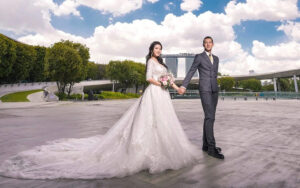
Some photos immediately feel balanced, natural, and flattering, while others feel slightly off, even when the lighting, outfit, and expression are similar. This difference often comes down to composition in photography, which determines how a subject is framed, perceived, and remembered.
Composition acts as the foundation of an image. It shapes how elements are arranged within a frame, influencing balance, movement, and visual focus. In portraits, this matters because the image is confined to a single frame. The camera does not simply record how you look. It records how your features, posture, background, lighting, and spacing interact within that frame. A strong composition can elevate a simple portrait. A weak one can make even a well-lit image feel unpolished, cramped, or distracting.
In this article, we explore what composition in photography is, how it influences the way you look in portraits, and what you should understand before going into a photoshoot.
Key Takeaways:
- Composition in photography is about arranging the subject, background, space, and visual elements so the image feels intentional and balanced.
- Good composition helps direct the viewer’s attention to the most important part of the portrait, such as the face, eyes, expression, or relationship between subjects.
- Framing, angle, distance, and spacing can affect how natural, flattering, or visually comfortable a portrait looks.
- Key elements of composition include focus, lines, shapes, texture, colour, and tone, all of which shape how the final image feels.
- Strong portrait composition supports visual storytelling, helping the photo communicate confidence, warmth, professionalism, connection, or celebration.
Understanding Composition in Photography
What Is Composition in Photography?
Composition in photography refers to how elements are arranged within a frame. This includes where the subject is placed, how much space surrounds them, what appears in the background, and how all visual elements come together to form a balanced image.
Every time a photo is taken, decisions are made about what to include, what to leave out, and how each element is positioned. A slight change in angle can make the face appear more balanced. A small shift in distance can change how the body is framed. Adjusting the background can remove distractions that draw attention away from the subject.
In simple terms, composition in photography is about making the image look intentional. For portraits, that means the viewer should know where to look, what to focus on, and how to read the image without visual confusion.
Why Composition Matters More Than You Think
Composition in photography is not something added after the photo is taken. It is part of how the image is built before the shutter is pressed. Editing can refine colour, skin tone, and lighting, but it cannot fully correct poor framing or awkward spacing.
1. Directing the Viewer’s Attention
A well-composed image guides the viewer’s eye towards the subject. In portraits, this usually means the face, eyes, expression, or the relationship between people in the frame.
Without clear direction, the viewer may be pulled towards a bright object in the background, an uneven crop, or an empty area that feels unintentional. Good framing keeps attention where it should be.
2. Influencing How Natural an Image Feels
Composition also affects whether a portrait feels relaxed or overly staged. A person may be smiling naturally, but if the body is cropped awkwardly or the background feels too busy, the photo can still look stiff.
This is why photographers often adjust posture, hand placement, head angle, and spacing during a shoot. These are small compositional decisions that make the final image feel more natural.
3. Shaping Perception in Portraits
In portraits, framing can influence how features and proportions are perceived. Camera angle, distance, and subject placement all affect whether the image feels flattering.
For example, shooting too close with the wrong perspective may distort facial proportions, while cropping too tightly may make the subject feel cramped. Proper portrait photography composition avoids these issues by matching framing decisions to the subject and purpose of the image.
4. Supporting Visual Storytelling
A portrait does not only show what someone looks like. It can suggest confidence, warmth, professionalism, closeness, or celebration. Since a photograph has only one frame to communicate this, arrangement matters.
Composition in photography helps a portrait feel balanced, focused, and visually easy to read. Without it, the viewer may be distracted by awkward cropping, empty space, busy backgrounds, or framing that draws attention away from the subject, even if the lighting and editing are strong.

What Are the Elements of Composition in Photography?
The elements of composition in photography are the visual parts that shape how an image looks and feels. Knowing the basics can help you understand why a photographer gives certain directions.
1. Points of Focus
A point of focus is the part of the image that immediately draws attention. In portrait work, this usually refers to the face, eyes, or expression.
Strong portraits keep the focus clear. If too many details compete for attention, the image may feel scattered. This is why a photographer may adjust your face angle, ask you to turn slightly towards the light, or simplify the background. These decisions help the viewer connect with the subject first.
2. Lines and Visual Direction
Lines guide how the viewer’s eye moves across a photo. In portraits, lines can come from posture, arms, shoulders, clothing, background structures, or even the direction of a person’s gaze.
For example, a slight turn of the shoulders can create a more natural line through the body. Background lines, such as walls, furniture, or studio backdrop edges, also need to be controlled so they do not cut through the subject awkwardly. These practical photography composition techniques help the image look more organised.
3. Shapes and Form
Shapes are created by the outline of the subject and the arrangement of surrounding elements. In a solo portrait, this can be the shape created by the head, shoulders, arms, and torso. In a group portrait, on the other hand, it means the overall arrangement of people.
Simple, clear shapes usually work well because they are easier for the eye to read. For couples, families, or team photos, the way people are positioned together affects whether the group looks connected or uneven.
4. Texture and Detail
Texture adds depth to a portrait. It may come from clothing, hair, skin, props, furniture, or the background.
A textured jacket can add structure to a corporate portrait. A soft fabric backdrop may create a gentler look for family or maternity images. However, excessive background texture can distract from the subject. The role of composition is to decide which details should stand out and which should stay subtle.
5. Colour and Tone
Colour and tone influence mood, contrast, and clarity. Softer tones often create a calm and approachable look, while stronger contrast can make a portrait feel more defined.
In studio portraits, colour choices should support the person being photographed. If the backdrop, clothing, and lighting all compete for attention, the portrait may feel visually crowded. A controlled setup keeps colour and tone working together, which is especially useful for clients who want a consistent set of images.

How Elements Work Together in Portraits
A portrait is rarely shaped by one decision alone. Distance, framing, space, balance, and background all work together to influence the final image.
1. Distance and Framing
Distance affects proportions. If the camera is too close, certain features may appear larger than intended. If the camera is too far, the subject may feel lost in the frame.
Framing also affects how formal or intimate the portrait feels. A head-and-shoulders crop works well for many professional uses because it keeps attention on the face. Meanwhile, a wider frame may suit a graduation portrait, lifestyle portrait, or family image. For anyone wondering how to frame a portrait, the main idea is to leave enough space for the subject to feel comfortable while removing anything that detracts from the image.
2. Balance and Visual Weight
Every element in a photo carries visual weight. A bright object, a strong colour, a large prop, or a sharp background detail can pull attention away from the subject.
In portraits, the subject should usually carry the strongest visual weight. This is where visual balance in photography becomes useful. The photographer considers where your face sits in the frame, how the background supports you, and whether the image feels stable or too heavy on one side.
3. Positive and Negative Space
Positive space refers to the subject, whereas negative space is the area around the subject. More negative space can make a portrait feel clean, calm, and spacious. This may work well for editorial-style portraits or branding images where text may later be placed beside the subject. Tighter framing can feel more personal and direct, which suits headshots or emotional family portraits.
The right balance depends on the purpose of the photo. A corporate headshot session often needs clean framing for professional profiles, while taking a family portrait may require more space to show the connection between people.
Creating Appealing Portraits With Good Composition in Photography
Why Some Photos Feel “Right” And Others Don’t
Good composition in photography often goes unnoticed because the image simply feels right. You may not immediately notice the framing, spacing, or background control, but you will notice that the person looks comfortable and the image feels easy to read.
1. When Composition Feels Natural
When composition is done well, your photos tend to feel effortless and comfortable. You do not need to think about where to look, as attention is naturally drawn to you. The image feels balanced and clear, allowing you to appear relaxed and confident without looking overly posed.
2. When Composition Feels Off
When composition is not properly considered, the photo may feel slightly awkward even if everything else seems fine. Background distractions, uneven spacing, or unclear focus can take attention away from you, making the image feel less natural. This can affect how comfortable you appear and how flattering the final photo looks.

How Composition Helps Create Natural and Flattering Portraits
Good composition in photography gives the portrait structure without making the subject look overly posed.
1. Reduces Stiffness
A stiff portrait usually happens when the subject is trying too hard to hold a position. Composition reduces this by giving the photographer a clear structure to work within.
Instead of asking someone to freeze, the photographer may offer small adjustments on how to look natural in photos, such as turning slightly, shifting weight, or relaxing the hands. These subtle directions help the subject feel guided while keeping the final image relaxed and unforced.
2. Enhances Features Without Overediting
Composition shapes how features are presented before editing begins. Camera height, angle, distance, and lighting direction all affect the way the face and body appear.
A well-composed portrait can highlight the face, create better separation from the background, and reduce distractions around the subject. This lowers the need for heavy editing because the image already has a strong foundation.
3. Creates Cohesion Across Images
In Singapore, photography services usually produce a set of images, not just one photo. Consistent composition makes the gallery feel connected.
This matters for business profiles, graduation albums, family portraits, and personal branding photos. If every image is framed differently without a clear purpose, the set may feel disjointed. With consistent composition, the images can vary in pose and expression while still looking like they belong together.
What You Should Know Before a Photoshoot
Before a photoshoot, it helps to know that you are not expected to arrive with perfect posing knowledge. A good session should guide you through practical adjustments in a way that feels manageable.
1. You Do Not Need to Know How to Pose
Many worry that they will look awkward because they do not know how to pose. In most studio settings, posing is not something you need to solve on your own.
The photographer will guide your posture, angle, hand placement, and expression. Your role is to stay responsive and communicate if something feels uncomfortable. This is especially useful during a studio photoshoot session, where lighting, backdrop, and camera position can be adjusted in a controlled environment.
2. Small Adjustments Make a Big Difference
Minor changes can affect the final image more than expected. Tilting the chin slightly, lowering one shoulder, shifting the gaze, or adjusting the distance from the backdrop can change the entire feel of a portrait.
These changes may feel subtle during the session, but they are often visible in the final images. Each adjustment refines the composition without overwhelming the person being photographed.
3. Trust the Process
Some directions may feel minor while they are happening. A photographer may ask you to shift a few centimetres, angle your body slightly, or move closer to another person in a group photo.
These adjustments are usually made because the camera sees space differently from the human eye. What feels small in real life can create better balance in the final frame. Trusting the process allows the photographer to build a portrait that looks natural on camera, not only in the room.
How Professional Photographers Use Composition to Enhance Portraits
Professional photographers use composition in photography throughout the entire session, not only when setting up the first shot. Every adjustment to angle, posture, distance, lighting, background, and framing affects how the portrait looks and feels.
1. Real-Time Adjustments
Composition is constantly refined during a shoot. The photographer may adjust camera height, change the crop, reposition the subject, or alter the lighting direction based on what is happening in the frame.
This real-time process is important because people move, expressions change, and small details become visible only through the camera. A private, air-conditioned photo studio environment in Singapore gives the photographer better control over these elements, especially for sessions that need consistency across multiple shots.
2. Adapting to Different Individuals
No two people are framed in exactly the same way. Height, facial features, body proportions, hairstyle, clothing, and comfort level all affect how a portrait should be composed.
For example, one person may look more natural with a slight body angle, while another may suit a more direct front-facing composition. Group sessions require even more adjustment because each person must look connected without appearing crowded.
3. Balancing Natural Expression and Structure
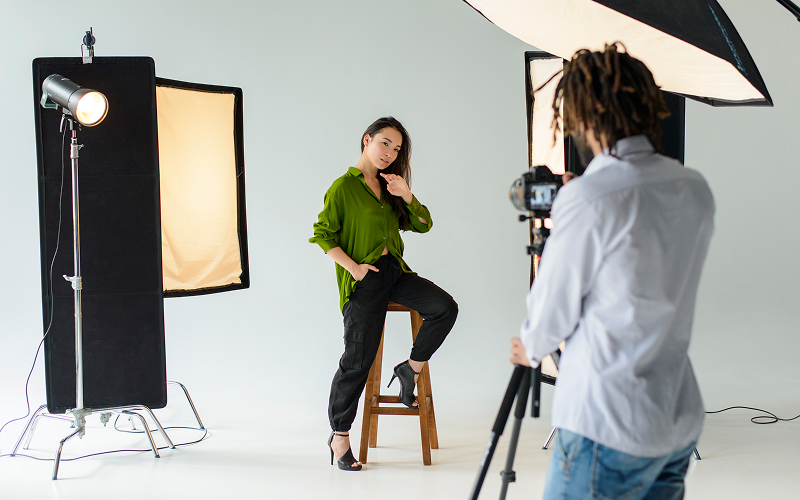
A strong portrait should not look lifeless. Structure is needed, but expression should still feel genuine.
Composition gives the image its order, while the photographer’s guidance helps the subject relax into the moment. This balance is especially relevant for children, families, and clients who feel nervous in front of the camera.
Common Misconceptions About Composition in Photography
1. “It’s Just About Where You Stand”
Composition involves more than where you position yourself during a photoshoot. It includes how you are framed, the angle of the camera, the space around you, and how you interact with the environment. These factors work together to influence how natural and flattering your photos look.
2. “Editing Can Fix Composition”
While editing can improve colours and lighting, it cannot fully correct a photo’s composition. The way you are positioned and framed during the shoot plays a much bigger role in the final result, which is why these adjustments are guided carefully in real time.
3. “Good Composition Is Obvious”
Many composition rules in photography are useful because they guide the eye quietly, without making the photo look overly calculated. They focus on lighting, angles, spacing, and how the subject interacts with the setting. The goal is not to follow rules rigidly, but to make decisions that support the person in the frame.
Why Composition Reflects a Photographer’s Experience
Experienced photographers can often visualise how an image will look before taking the shot. They are not simply reacting to every photo. They are anticipating how angle, distance, lighting, and posture will translate through the camera.
Composition in photography often reflects a photographer’s experience. It shows how well they understand framing, proportion, and presenting a person in a way that feels natural.
At ABC Photography, composition is guided throughout the session with clear, practical directions tailored to the portrait’s purpose. Instead of asking clients to pose perfectly on their own, our photographers help adjust posture, angle, hand placement, spacing, and background details so the final image looks natural and balanced.
Our studio setup also supports a range of portrait needs, from individual profiles and graduation photoshoots to family, baby, and group sessions. With controlled lighting, a private indoor space, flexible framing options, and optional makeup support, clients can focus on the session while the photographer manages the visual details that shape a polished portrait.
For those planning a session, good composition means the photographer is not relying only on editing or luck. Each adjustment is made during the shoot, based on how you look in the frame and what the image needs.
Frequently Asked Questions
1. What is the difference between posing and composition in photography?
In photography, composition refers to how everything is arranged within the frame, including your placement, the background, lighting, and spacing. Posing focuses specifically on how you position your body, hands, and facial expression. In simple terms, posing is what you do, while composition is how everything around you is arranged to present you well in the photo.
2. Can poor composition make a good photo look unbalanced?
Yes. Even if the lighting, outfit, and expression are good, poor composition can make a photo feel awkward or distracting. Elements such as uneven spacing, cluttered backgrounds, or poor framing can affect how natural and flattering the image appears.
3. Do I need to know posing if the photographer handles composition?
You do not necessarily need to know how to pose beforehand. In most cases, the photographer will guide your positioning and overall composition during the shoot. Your role is simply to stay relaxed and responsive to direction, allowing adjustments to be made for a more natural and well-balanced result.
Conclusion
Composition in photography shapes how you look more than most people realise. It influences how balanced your features appear, how natural your posture feels, and how clearly the viewer’s attention is directed towards you.
For portraits, this means the final image is not only about lighting, outfit, makeup, or editing. It is also about how everything is arranged around you. Camera angle, spacing, backdrop, posture, and visual focus all affect whether the portrait feels flattering, confident, and complete.
Understanding composition in photography can help you approach a photoshoot with more confidence. You do not need to know every technical rule, but it helps to understand how small adjustments to angle, posture, framing, and background can shape a more polished portrait.
At ABC Photography, we can help you plan a session that suits your purpose, whether it is for family portraits, graduation photos, corporate profiles, baby portraits, or personal keepsakes.
With guided photo direction, a fully equipped studio, in-house makeup options, and a private setting, our team can help shape each portrait with clear framing, comfortable direction, and consistent visual structure.
To plan a photoshoot, contact us to discuss the types of images you need, the people involved, and the style you prefer.