



Key Takeaways:
- Different types of event photography are suited to different occasions, from corporate functions to personal celebrations.
- Each event type requires a tailored approach to capture the right moments, atmosphere, and purpose.
- Corporate, product launch, exhibition, conference, brand activation, and personal events all focus on different key highlights.
- Factors like lighting, timing, and interaction play a major role in overall photo quality.
- Choosing the right photography style depends on the event’s purpose, key moments, and how images will be used.
Introduction
Events in Singapore serve a wide range of purposes, from corporate milestones and brand activations to private celebrations and personal gatherings. Each event type requires a tailored photography approach to capture the right moments, atmosphere, and message. This alignment is important because event documentation should match its intended purpose, whether for formal records, brand storytelling, or meaningful personal memories.
Understanding the different types of event photography helps ensure each event is documented in a way that reflects its purpose. Professional event photography services in Singapore support this by providing structured coverage suited to each category.
Identifying Event Photography Needs
Before planning coverage, it is important to understand what the event is meant to achieve and how the images will be used afterwards. Different events require distinct levels of focus, structure, and storytelling. Identifying the key photography needs early can align coverage with the event’s objectives.
1. Start with the Purpose of the Event
The purpose of an event helps determine how it should be photographed, as it defines the overall direction, tone, and priority of coverage. Corporate and business events often require structured coverage for reporting and branding purposes. They typically focus on key moments such as speeches, presentations, and formal interactions that support professional communication.
Marketing-focused events, on the other hand, prioritise visuals that highlight brand identity, product features, and audience engagement to support promotional and campaign objectives. In contrast, private events place greater emphasis on emotional value and personal moments. Candid interactions and meaningful memories are often captured to reflect relationships and experiences.
2. Define What Must Be Captured
Every event contains key moments that should be identified in advance to ensure complete and purposeful coverage. These often include programme highlights such as speeches or presentations, guest interactions, and brand-related visuals that support marketing or documentation needs.
Clear planning before the event helps guide the photography approach. It allows the photographer to anticipate important moments and ensure nothing significant is missed during coverage.
3. Stage and Programme Coverage
Stage and programme coverage focuses on the formal and structured segments of an event. This typically includes speeches, presentations, award ceremonies, panel discussions, and the programme’s core agenda.
This type of coverage is especially important for corporate settings, where images are used for internal reporting, official records, and post-event communication. Capturing these structured moments clearly helps preserve the event’s key highlights in a professional way.
4. Networking and Interaction
Networking and interaction coverage focuses on the informal, spontaneous moments that occur throughout the event. This includes conversations between guests, group discussions, audience reactions, and general engagement during breaks or transitions.
In corporate events photography, these interactions are valuable as they help show connection, participation, and relationship-building among attendees. They add a human element to the coverage, balancing the more structured stage moments with authentic, candid visuals.
5. Product and Brand Focus
Some events prioritise brand visibility and product interaction. In this context, photography sessions focus on capturing product displays, live demonstrations, event setups, signage, and how audiences engage with featured installations.
Within the broader types of event photography, this approach is often used for marketing campaigns, PR materials, and promotional assets. It is important for photographers to capture visuals that clearly represent the brand while ensuring consistent messaging across all platforms.
How Event Images Are Used
Understanding how images will be used helps determine how they should be captured during the event.
1. Internal Reporting
Images for internal use emphasise clarity and completeness. Key moments, attendance, and structured coverage are important for documentation purposes.
2. Marketing and Social Media
For external platforms, visuals should highlight engagement, atmosphere, and candid interactions. This approach is commonly used for promotional storytelling.
3. PR and Press Use
Press images require clean composition, strong visibility of key moments, and clear representation of the event. The key is to present essential details clearly without cluttering the frame.
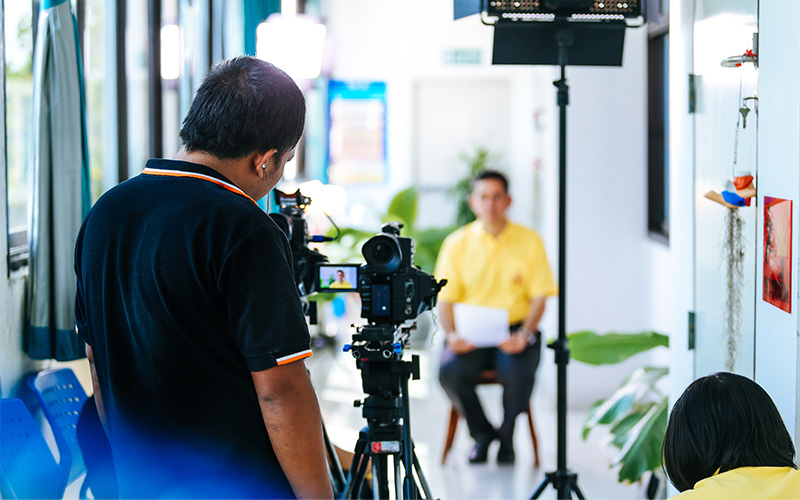
Types of Event Photography in Singapore
Event photography covers a wide range of occasions, each with its own focus and storytelling needs. From corporate functions to personal celebrations, different settings call for distinct ways to capture moments.
1. Corporate Event Photography
Corporate events often involve structured programmes and formal timelines that require accurate documentation, with coverage focusing on key moments such as speeches, presentations, award ceremonies, recognitions, and networking interactions between guests. This type of photography is commonly used for branding, reporting, and internal communications, where clear and well-documented visuals are essential.
When it is needed:
- Conferences and seminars
- Gala dinners and award ceremonies
- Internal corporate events and milestone celebrations
2. Product Launch Photography
Product launches require a balance between highlighting the product and capturing the overall event atmosphere. Coverage typically focuses on product features and presentation, audience reactions, and brand setup with visual identity. This approach supports marketing campaigns and promotional materials by showcasing both the product and the event experience.
When it is needed:
- New product unveilings
- Media preview events
- Brand activations and demonstrations
3. Exhibition and Trade Show Photography
Exhibitions take place in large spaces with multiple exhibitors and continuous visitor engagement. Coverage focuses on venue scale, booth designs, branding, and visitor interactions. This balanced approach captures both the overall atmosphere and key details of the event.
When it is needed:
- Trade fairs and industry exhibitions
- Public showcases
- Business expos
4. Conference and Professional Event Photography
Conference and professional events are centred on structured discussions, knowledge sharing, and formal presentations that shape the programme’s flow. These settings require photography that captures both the content being delivered and the way audiences engage with it.
When it is needed:
- Industry conferences
- Panel discussions
- Networking sessions
5. Brand Activation Photography
Brand activations are built around engagement, with audiences interacting directly with the brand in memorable, immersive ways. Coverage captures installations, audience participation, and real-time interactions. These images are often used in digital campaigns and brand storytelling to reflect the energy of the experience.
When it is needed:
- Pop-up events
- Seasonal campaigns
- Experiential marketing activities
6. Personal Event Photography
Personal events are centred around genuine emotions, close relationships, and meaningful shared experiences. Photography in this setting focuses on candid interactions, natural emotional expressions, and important celebration moments as they happen. The aim is to preserve memories authentically while telling the story of the occasion in a heartfelt and natural way.
When it is needed:
- Birthdays and anniversaries
- Family gatherings
- Private celebrations
Key Considerations Across All Event Types
Regardless of the event category, several key factors influence how coverage is executed. Lighting conditions, the timing of key moments, and the ability to capture genuine interactions all play crucial roles in producing well-balanced results.
Choosing the Right Type of Event Photography
Matching the photography style to the event ensures that the final output serves its intended purpose effectively. Selecting the right approach depends on three key factors:
- The purpose of the event
- The key moments that must be captured
- How the images will be used after the event
For branding purposes, product launches and activations are more suitable. For documentation, corporate events and conferences are ideal. For personal memories, private celebrations are the focus.
The Importance of Professional Coverage
Event photography involves more than capturing images. It requires timing, awareness, and an understanding of event flow to document moments accurately while maintaining a natural atmosphere.
At ABC Photography, we provide structured coverage across different types of event photography, ensuring each function is documented with clarity and purpose. Our photography services in Singapore focus on capturing key highlights, natural interactions, and the overall atmosphere that align with the event’s objectives.
Contact us today to discuss your event coverage needs.