

Key Takeaways:
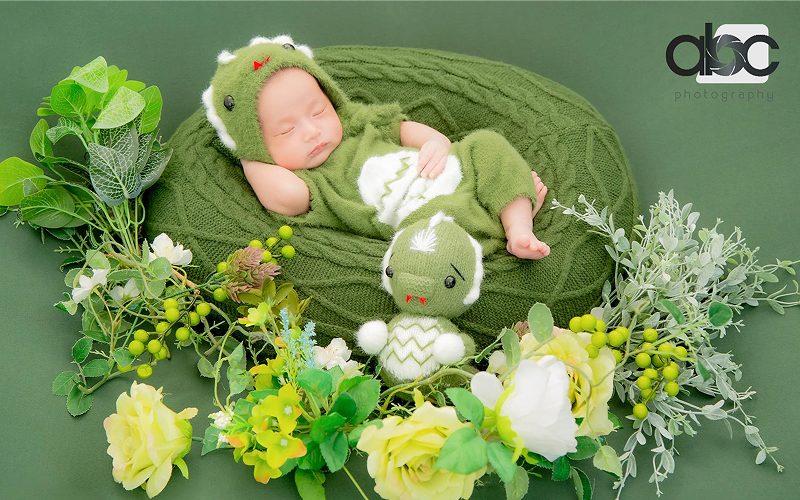
- The best time to take newborn photos is typically between 8 and 20 days after birth, when babies are sleepier and easier to pose.
- Early sessions allow for curled poses, smoother skin appearance, and soft, timeless images.
- Newborn photography remains meaningful after the ideal window, but the technique gradually shifts from posed to more natural and expressive.
- As babies grow, sessions focus more on interaction, facial expressions, and family bonding rather than traditional newborn poses.
- Each stage offers different photographic value, depending on the baby’s development and family preferences.
Introduction
One of the most common questions new parents ask is when they should schedule their newborn’s photoshoot. While there is a general guideline, the answer is not fixed. Every baby develops uniquely, just as every family has its own timing after birth.
Understanding the different stages of a newborn’s early weeks helps you decide the best time to take newborn photos. Each phase brings variations in sleep patterns, alertness, and physical development, all of which can affect both the photography mode and the overall experience.
In this article, we explore how these early stages affect scheduling decisions and what parents can expect during each period. This helps you plan a newborn photoshoot that feels comfortable, natural, and well-timed.
Why Timing Matters in Newborn Photography
Newborns change rapidly in their first few weeks of life. Their sleep routines, alertness, and physical flexibility evolve within days. These aspects may directly affect how a photoshoot unfolds.
The timing of a baby photography session in Singapore can influence several important factors, including:
- Whether your baby is mostly asleep or awake
- The types of poses that are possible during the session
- Skin condition and overall appearance
- How settled and comfortable parents feel during the shoot
The Ideal Window: 8 to 20 Days After Birth
For many families, the most commonly recommended period for newborn photos falls between 8 and 20 days after birth. During this stage, babies tend to sleep more deeply and for longer stretches, making the session calmer and easier to manage.
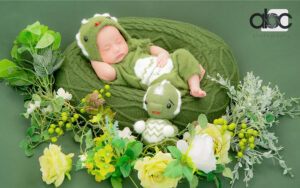
With longer periods of rest and minimal movement, newborns are also easier to gently position into curled, natural poses. Their skin often appears smoother compared to later weeks, helping to create soft, timeless images that parents tend to love. This also allows photographers to capture delicate details such as tiny fingers, facial features, and early expressions in a calm and comfortable setting.
Why the First Few Days Are Usually Not Ideal
Although it may seem natural to photograph a newborn immediately after birth, the first few days are often not the best time to take newborn photos.
At this stage:
- Feeding routines are still being established
- Babies may be more unsettled or wake frequently
- Parents are still recovering and adjusting to a new routine
It is recommended to give a few days for both the baby and parents to settle at home, as this may allow the session to feel calmer and more natural.
What to Expect After the First Few Weeks
It is understandable if a family cannot schedule a session within the ideal early window. Newborn photography can still be meaningful beyond this period, although the approach may change.
3 to 4 Weeks Old
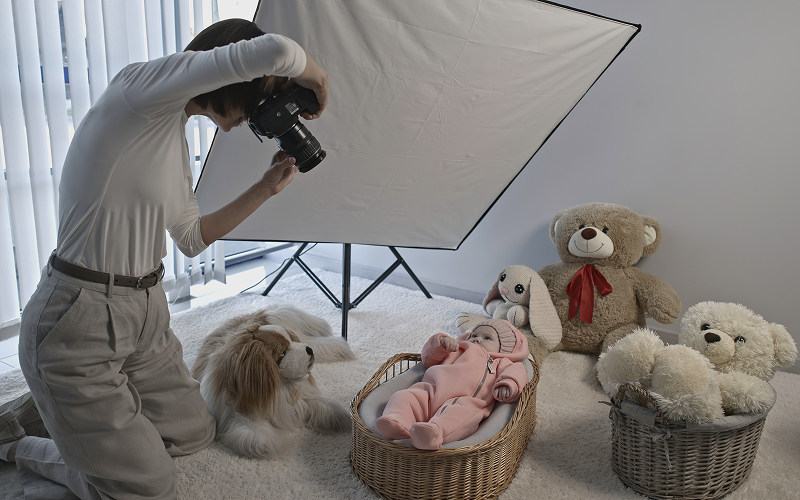
At this stage, babies begin to stay awake for longer periods and become more aware of their surroundings. Their feeding sessions and interactions also become more active and responsive as they start engaging more with their environment.
These changes typically include increased alertness during feeding and interaction, less time spent in deep sleep, and more stretching and active movement throughout the day. While traditional curled poses may be more difficult to achieve, sessions can still capture gentle and meaningful moments of bonding between the baby and the family.
4 to 7 Weeks Old
As babies grow, they begin to show early expressions and interact more actively with their surroundings. These small but noticeable changes often include occasional eye contact, subtle facial expressions, and moments of fussiness or sensitivity as they become more aware of their environment.
At this phase, infant photography often moves towards a more natural and lifestyle-focused style, moving away from posed sleeping images. Sessions tend to feel progressively dynamic and emotionally expressive, capturing sincere interactions and the baby’s developing personality.
8 to 12 Weeks Old
By this stage, babies are more alert and responsive, showing clearer engagement with their surroundings. They often develop stronger eye contact, more expressive reactions, and longer awake periods throughout the day.
Although this stage is no longer within the traditional newborn phase, it still provides a meaningful opportunity to capture family connections. These sessions tend to focus more on personality, bonding, and natural interactions between parents and baby, creating meaningful and expressive images.
Is It Too Late for Newborn Photos?
It is never too late to photograph your baby. While early sessions focus on sleepy, posed images, later sessions deliver a different but equally meaningful style.
As babies grow, photography sessions naturally turn towards a more lifestyle-based approach. The focus moves to expressions, movement, and family interactions, capturing real moments as they unfold.
When Should You Book Your Newborn Photoshoot?
As babies rarely arrive exactly on schedule, flexibility is an important part of planning a newborn session. Determining the best time to take newborn photos can help parents prepare in advance while still allowing flexibility for adjustments once the baby arrives.
The ideal approach is to book your session in advance based on your estimated due date. This ensures availability with your preferred photographer and gives you a better chance of securing a suitable time within the early newborn window. Once your baby arrives, the exact date can then be finalised based on recovery, routine, and how settled both baby and parents feel.
The Role of an Experienced Photographer
The best time to take newborn photos depends on a combination of timing, comfort, and personal preference. While the ideal window is typically within the first 8 to 20 days, meaningful photography is still possible beyond this period.
What matters most is creating a calm and encouraging environment where both baby and parents feel comfortable. With the right timing and guidance, a newborn session becomes more than just a photoshoot. It becomes a way to preserve natural, meaningful, and lasting early memories.
An experienced photographer plays a key role in adapting the session to your baby’s age, behaviour, and comfort level. Instead of following a rigid structure, the session is adjusted based on how your baby responds on the day.
At ABC Photography, baby photoshoot sessions are planned with flexibility and care. Established in Singapore in 2006, we have grown into one of the country’s most established photography providers, supported by over 20 years of experience.
Our professional team manages each session with a calm, supportive approach, combining professional know-how with hands-on direction. They guide parents throughout the process to help them feel at ease, while prioritising the baby’s comfort at every stage.
Contact us today to book your session or check availability.