

Key Takeaways:
- Choose breathable, lightweight fabrics for comfort and natural movement.
- Stick to muted, complementary colours to maintain visual balance.
- Avoid large logos or busy patterns that distract from the subject.
- Match your outfit to the location for cohesive images.
- Wear comfortable footwear that supports stable movement.
- Use light layers to add subtle variety without full outfit changes.
- Keep styling natural and familiar for timeless results.
Introduction
Outdoor photography captures more than appearance. It records how a person moves, adjusts, and responds to the environment over time. What you wear becomes part of that process, influencing not only how you look in a single frame, but how consistent and natural you appear across the entire session.
For this reason, selecting outdoor photoshoot outfits involves more than visual preference. Clothing influences posture, ease of movement, and how well you adapt to changing light and surroundings. These factors collectively affect the overall outcome of the images.
In Singapore, environmental conditions add another layer of consideration. Heat, humidity, and strong daylight can alter how fabrics sit on the body and how comfortable you feel as the session progresses. Outfits that work well indoors may not perform the same way outdoors.
This article outlines how to approach outfit selection with these factors in mind, guiding more effective choices for an outdoor photoshoot.
How to Select Suitable Outdoor Photoshoot Outfits
1. Start with Comfort and Climate
Most people are told to wear “comfortable clothing”, but comfort at the start of a session is not the same as comfort throughout it. A more useful consideration is how the fabric behaves during movement and prolonged exposure to heat.
Breathable materials such as cotton and linen help regulate temperature, but they also respond more naturally to body movement. When walking, turning, or adjusting posture, these fabrics create softer transitions and less visual tension in the frame.
Meanwhile, heavier or synthetic fabrics tend to trap heat and limit airflow. As the session progresses, this can lead to subtle physical adjustments such as tightened shoulders, restricted arm movement, or a more rigid posture. These changes are not always obvious in the moment, but they become noticeable across a series of images.
2. Keep Colours Simple and Coordinated
Colour choice is often approached as a styling decision, based on personal preference or trends. However, it plays a more technical role in professional photoshoots in Singapore. Colours influence how light is reflected, how exposure is balanced, and how different elements within the frame interact with one another.
In natural environments, lighting conditions are less controlled and can shift throughout the session. This means that colour choices affect not only how an outfit appears in a single image, but how consistent it looks across a full series of photos. Poor colour selection can lead to uneven tones, visual distractions, or increased reliance on editing to correct imbalances.
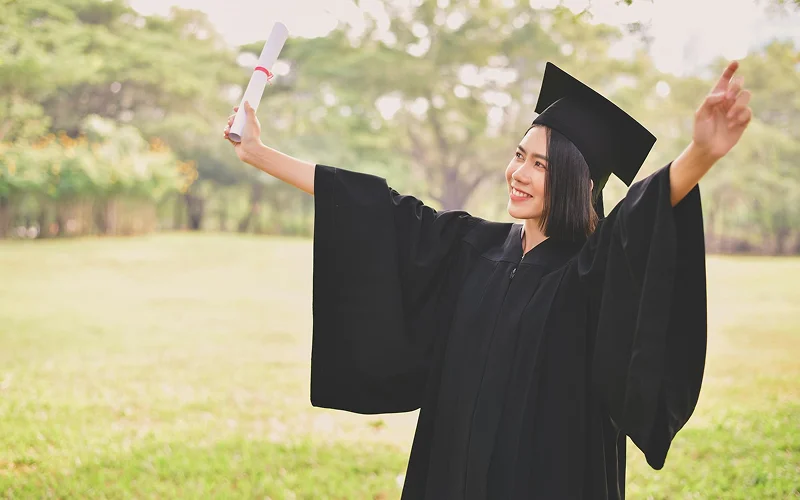
Neutral and muted colours tend to photograph well because they do not compete with facial features or surrounding elements. They also respond more predictably to natural light, which is constantly changing during an outdoor session. When colours are controlled, attention remains on expression, interaction, and overall composition.
Examples of balanced colour combinations include:
- Soft neutrals such as beige, white, and light grey
- Earth tones like olive, sand, and muted browns
- Pastel shades that complement outdoor greenery
In contrast, highly saturated colours or neon tones can introduce unintended effects. Under strong sunlight, these colours may reflect onto the skin, creating colour casts that are difficult to correct during editing. Reflective materials can also produce glare or uneven highlights, especially in midday lighting.
3. Avoid Distracting Details
Clothing with prominent text, graphics, or busy prints can draw attention away from the subject. In outdoor photography, this effect is amplified because the background already contains visual elements such as foliage, textures, and shifting light. When both the outfit and the environment compete for attention, the subject becomes less defined within the frame.
On the other hand, simpler designs reduce this competition. They allow the viewer’s focus to remain on facial expressions, interaction, and body language, which are usually the primary purpose of the shoot.
Subtle textures or minimal patterns are still acceptable, but they should sit within the overall visual balance of the image. The key consideration is whether the outfit supports the subject, rather than becoming a focal point on its own.
4. Match Your Outfit to the Location
The setting of your photoshoot should influence what you wear, not just stylistically but structurally. Outdoor environments introduce their own colour tones, textures, scale, and lighting behaviour, all of which interact with your outfit in the final image.
An outfit that works well in one setting may feel out of place in another, even if it looks appropriate on its own. When outfit and location are not considered together, the result can feel visually disjointed or unbalanced.
- Parks and greenery: Earth tones and soft colours blend naturally with the environment while keeping the subject distinct.
- Beach or waterfront: Light, flowy fabrics work with wind and open space, allowing movement to enhance the composition.
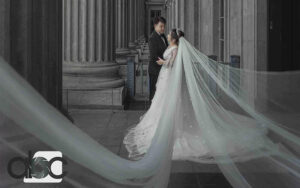
- Urban and architectural settings: Clean lines and structured outfits complement geometric backgrounds, with neutral or darker tones maintaining contrast.
5. Choose Footwear That Supports Movement
Outdoor shoots often involve walking, standing, and shifting positions across varied surfaces. Footwear helps determine how stable and natural these movements appear, directly influencing posture and body language.
Uncomfortable or unsuitable shoes affect posture. When the footing is unstable, the body compensates through subtle adjustments in weight distribution. This influences stance, shoulder alignment, and overall body language in ways that may not be obvious during the shoot but become noticeable in photos.
- Flat shoes or sneakers support natural movement on uneven ground
- Sandals may suit more casual outdoor settings
- Avoid shoes that restrict movement or create discomfort over time
Comfortable footwear contributes to more consistent posture and relaxed expressions, especially during longer sessions.
6. Add Simple Layers for Variety
Layering is often suggested for visual variety, but its true value goes beyond aesthetics. In outdoor photoshoots, conditions can change quickly. Lighting shifts, wind picks up, or the subject moves between different backgrounds.
Light layers, such as cardigans, overshirts, or scarves, allow for subtle adjustments without the need for a complete outfit change. By incorporating layers thoughtfully, photographers can create multiple looks from a single outfit, introducing depth and texture to the images.
This flexibility also helps manage comfort. Layers can be added or removed depending on temperature or sunlight exposure, ensuring the subject remains relaxed and natural throughout the session.
7. Aim for a Natural and Balanced Style
Outfits that are too formal or heavily styled can feel out of place in outdoor environments. Natural settings already contain movement, texture, and variation. Overly structured or elaborate clothing can disrupt this balance.
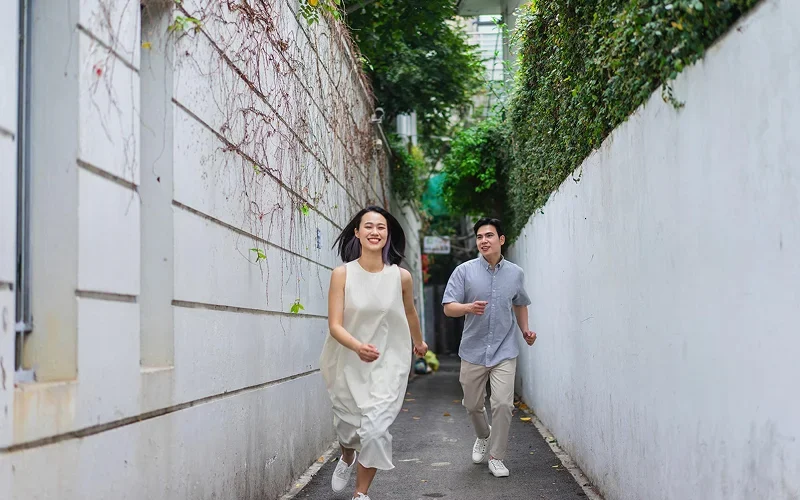
A more relaxed approach supports ease of movement and helps the subject remain comfortable throughout the session. This often leads to more natural expressions and interactions, particularly in lifestyle or family shoots.
8. Stick to Familiar Hair and Makeup
Outdoor sessions are not ideal for experimenting with unfamiliar styling. Changes in environment, lighting, and duration already introduce variables. Adding an unfamiliar look can affect confidence and comfort.
Familiar hair and makeup help maintain consistency in appearance and reduce the likelihood of adjustments during the shoot. Subtle, well-maintained styling tends to produce results that remain relevant over time.
Choosing Your Outdoor Photoshoot Outfits by Photoshoot Type
1. Family Outdoor Photoshoots
Coordinate colours across family members without matching exactly. This avoids a staged appearance while maintaining visual cohesion. Comfort is particularly important for children, as restricted movement can affect both behaviour and expressions.
2. Couple Photoshoots
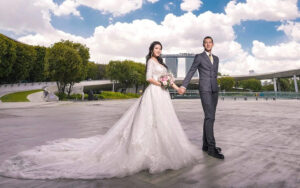
Outfits should complement each other in tone and structure. Strong contrasts or mismatched styles can create visual imbalance. Simplicity supports interaction, which is often the focus of these sessions.
3. Maternity Photoshoots
Soft, flowy fabrics help introduce gentle movement and reduce visual rigidity. Breathable materials are especially important in Singapore’s climate, where heavier fabrics can quickly become uncomfortable.
4. Individual Lifestyle Portraits
Outfit styling should reflect personal identity while avoiding overly trendy pieces that may look dated over time. Striking a balance between comfort and structure helps the subject appear natural in each frame. This approach keeps each portrait photo shoot visually cohesive and practical to execute within Singapore’s outdoor conditions.
Why Outdoor Photoshoot Outfit Planning Matters
When outfits are thoughtfully selected, they support the overall composition rather than compete with it. The combination of colour, fabric, and fit influences how light behaves, how movement is captured, and how consistent the final images appear. Well-planned outfits also reduce the need for correction during editing. This leads to cleaner images with more natural tones and fewer visual distractions.
What to Avoid in Outdoor Photoshoots
Some outfit choices appear acceptable in person but do not translate well on camera:
- Clingy fabrics that react to humidity and lose shape
- Stark white clothing under strong sunlight, which can reduce detail
- Footwear that does not match the terrain
- Excessive accessories that shift focus away from the subject
These factors often become noticeable only after the shoot, which is why they are better addressed during planning.
Working with a Professional Photographer
Outdoor photoshoot outfit choices interact closely with lighting, background, and movement. They are part of a broader system rather than a standalone decision. Experienced photography services in Singapore consider how colours respond to natural light, whether fabrics complement the environment, and how clothing affects posing and comfort.
At ABC Photography, outfit guidance is integrated into the planning process. Recommendations are based on shoot type, location, and lighting conditions, ensuring that each outfit works cohesively within the overall setup and supports a smoother session with more consistent results. With over 20 years of experience, we provide direction based on how clothing interacts with outdoor conditions, helping clients feel more prepared and comfortable throughout the shoot.
Contact us to discuss your upcoming outdoor photoshoot and receive personalised guidance on selecting the right outfits.