

Key Takeaways:
- Hard light creates strong contrast and sharp shadows, while soft light produces a more natural and flattering look.
- Soft light is commonly preferred for portraits, while hard light suits more dramatic or stylised shots.
- Clients often notice lighting through shadow depth, skin appearance, and overall balance in the image.
- Lighting results depend more on how light is controlled than on camera equipment.
- Key factors influencing light quality include light source size, distance, and use of modifiers.
Introduction
Lighting plays a defining role in photography. While location, composition, and posing all matter, the quality of light in photography often has the greatest impact on how a photo looks and feels. The way light behaves determines why some images look bold and dramatic, while others appear soft, natural, and evenly balanced.
For anyone considering a photoshoot, especially those booking a studio photoshoot in Singapore, learning the difference between hard and soft light can help set clearer expectations for the final results. This understanding allows you to better interpret a photographer’s portfolio and choose a studio that aligns with the outcome you have in mind.
What Is the Quality of Light in Photography?
It refers to how light interacts with a subject, particularly in terms of shadows, contrast, and the transition between bright and dark areas. Light can be broadly categorised into two main sources: natural light from the sun or sky, and artificial light from studio equipment or indoor fixtures.
Hard Light vs Soft Light: The Core Difference
Hard and soft light are not defined by the source alone, but by how the light is distributed across the subject. Hard light creates strong contrast with sharp shadow edges, while soft light produces gentle transitions and a more even appearance. This difference directly influences how facial features, textures, and overall mood are captured, affecting whether an image feels bold and defined or natural and flattering.
Understanding this distinction is important when planning a photoshoot, as it helps you align your expectations with the intended style of the images. In a professional photo studio, lighting is carefully adjusted based on the purpose of each shoot.
Understanding Hard Light
Hard light occurs when light is direct and concentrated, often from a smaller source. It produces strong, well-defined shadows, high contrast between light and dark areas, and more visible texture and detail.
Hard light is often used for creative or dramatic portraits. It highlights structure and texture, making it suitable when a bold visual effect is desired. However, it can also emphasise skin texture and create stronger facial shadows if not carefully controlled.
When It Appears:
- Direct midday sunlight
- Unmodified flash lighting
- Focused studio spotlights
Understanding Soft Light
Soft light comes from a diffused or larger light source. It is created when light is diffused or spread across a larger surface, helping create softer shadows and enhancing the overall appearance of the skin.
Soft light is commonly used in portrait sessions, as it produces a natural and balanced look. When it comes to a studio photoshoot, photographers often rely on soft lighting setups to ensure consistent and flattering results across different subjects.
When It Appears:
- Cloudy outdoor conditions
- Light passing through windows
- Modified studio lighting like softboxes
What Clients Notice in the Final Image
Even without technical knowledge, most clients can quickly recognise when the lighting in a photo feels “right” or “off”. This is because it can directly influence how natural and balanced the image appears.
- Hard sunlight may create deep shadows under the eyes and nose
- Soft light produces more even skin tones and smoother facial features
- Uneven lighting can distract from the subject
- Balanced lighting creates a clean, polished result
These outcomes depend less on camera settings and more on how lighting is shaped and controlled during the shoot. Even with advanced equipment, poor lighting can result in unflattering shadows or uneven tones. In contrast, well-managed lighting can significantly enhance the overall image. This is why photographers place strong emphasis on adjusting light direction, intensity, and diffusion.
What Factors Can Influence the Quality of Light in Photography
1. Size of the Light Source
The size of the light source plays a key role in determining the quality of light in photography. Larger light sources tend to produce softer light as the light spreads more evenly across the subject, creating smoother shadow transitions and a more balanced appearance. Meanwhile, smaller or more concentrated light sources produce harder light, resulting in sharper shadows and stronger contrast.
2. Distance from the Subject
The distance between the light source and the subject plays a significant role in how soft or hard the light appears. When the light is positioned closer to the subject, it spreads more evenly across the surface. Softer shadows and more gradual transitions between light and dark areas help create a more natural and flattering look.
3. Light Modification
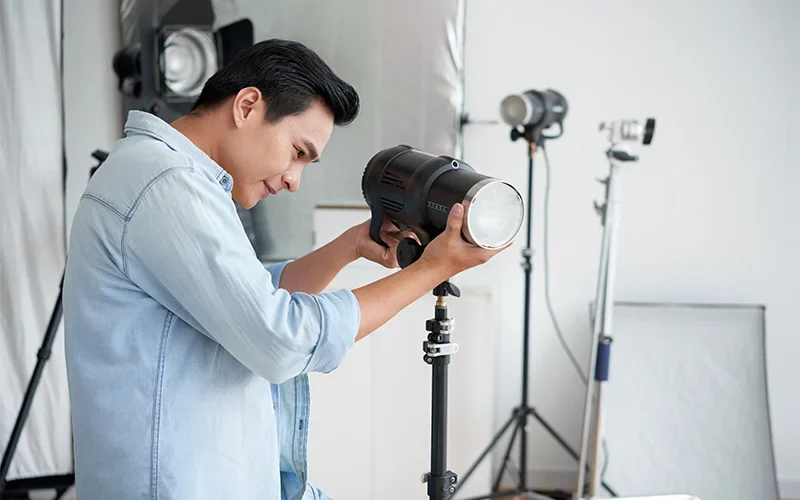
Tools such as softboxes, reflectors, and diffusers help control how light spreads. These techniques are commonly used in photo studios in Singapore to achieve consistent and controlled results.
How Light Quality Affects Different Types of Photoshoots
1. Portrait and Individual Photoshoots
For portraits, softer light is generally preferred as it creates a more natural and flattering appearance. It helps smooth out skin texture and reduces harsh shadows on the face. On the other hand, strong or direct light can exaggerate imperfections and create uneven shadowing, which may distract from the subject’s features.
2. Family Photoshoots
Family sessions often involve multiple subjects and natural interaction, so lighting needs to remain consistent across the group. Soft, even lighting ensures that everyone is clearly visible without harsh shadows falling on certain individuals. This helps create a balanced image that feels cohesive and visually comfortable.

3. Newborn and Baby Photography
Newborn photography requires particularly gentle and controlled lighting. Soft light is essential to avoid strong contrasts and to maintain a calm, natural look. A well-managed lighting environment also supports consistency throughout the session while ensuring the baby remains comfortable.
4. Corporate Headshots
Corporate portraits require a clean and professional appearance. Lighting is carefully adjusted to reduce shadows, maintain even skin tones, and highlight facial features clearly. Consistency is essential when photographing multiple individuals, keeping all images aligned in style and presentation across the set.
How Natural Light Changes Throughout the Day
Natural light is constantly changing, and its quality varies depending on the time of day, weather conditions, and the surrounding environment. These shifts may affect how a subject appears in a photograph, influencing everything from shadow depth to overall mood.
In the morning, light is generally softer and more diffused, creating gentle shadows and a more balanced look. As the day progresses, midday light becomes stronger and more direct, often resulting in harsher shadows and higher contrast.
By late afternoon, the light softens again and takes on a warmer tone, producing a more flattering and visually pleasing effect. Even within the same location, lighting can change depending on how sunlight reflects off nearby surfaces or passes through shade, which can either soften or intensify its impact.
The Role of Colour Temperature
In addition to intensity and direction, light also varies in colour. Different light sources produce different colour temperatures, which affect how tones appear in a photograph.
Warmer light tends to appear more yellow or orange, while cooler light appears more blue. These shifts can influence skin tone and the overall mood of an image.
Although modern cameras can adjust for colour differences, understanding colour temperature allows photographers to make more intentional choices during a shoot. This ensures the final image can reflect the intended look and atmosphere.
Applying Light Knowledge in Real Photoshoots
Understanding the quality of light in photography allows photographers to adapt to different conditions. This flexibility matters during real photoshoots, where lighting is not always predictable.
For example, in strong sunlight, positioning the subject in shaded areas can help soften the light and reduce harsh shadows. Reflective surfaces can be used to brighten darker areas of the face, creating a more balanced exposure. Diffusers can also be introduced to spread light more evenly and minimise contrast. These practical adjustments allow photographers to improve image quality without relying on complex equipment.
How ABC Photography Uses Light in Studio Sessions
The difference between hard and soft light plays a major role in shaping the final outcome of any photograph. By understanding how light behaves, clients can better appreciate why certain images feel dramatic, whereas others appear soft and natural.
At ABC Photography, lighting is carefully planned and adjusted based on the purpose of each session. In portrait sessions, lighting is shaped to create natural skin tones and balanced depth. In family shoots, even lighting ensures consistency across multiple subjects. In corporate headshots, structured lighting is used to achieve a clean and professional appearance across individuals and teams.
With over 20 years of experience and a fully equipped professional photo studio in Singapore, ABC Photography ensures that lighting is tailored to each client’s needs, creating results that feel natural, polished, and purpose-driven.
Contact us to plan a photoshoot that aligns with your vision.