

Key Takeaways:
- Overcoming camera shyness starts with reducing pressure, choosing a comfortable setting, and building confidence gradually.
- Low-pressure practice helps you feel more comfortable with the camera before a formal photoshoot.
- Focusing on how you feel, rather than perceived flaws, can help your expressions look more natural.
- Avoid comparing yourself to others, rushing into high-pressure shoots, or fixating on small details you dislike.
Introduction
Feeling camera-shy is more common than most people realise. It can stem from discomfort with being observed, uncertainty about posing, or concerns about appearance. This feeling may make a photoshoot feel stressful, especially in more structured settings, such as a studio or formal session.
The good news is that confidence in front of the camera is not something fixed. It can be developed through the right environment, preparation, and mindset. With a few practical adjustments, you can feel more at ease and achieve photos that look natural and composed.
Why People Feel Camera-Shy
Most people feel camera-shy because of heightened self-awareness. When attention is focused on how you look, even small movements or expressions can feel exaggerated. This can lead to tension in posture, forced smiles, or hesitation during the shoot.
Professional photos are often taken for work profiles, events, or family milestones, which can make the outcome feel more important. This added expectation may increase pressure, especially if you are already uncomfortable in front of the camera.
How to Overcome Camera Shyness
Overcoming camera shyness starts with reducing pressure and building comfort gradually. Simple changes to your environment, mindset, and preparation can help you feel more at ease during a photoshoot.
1. Start with a Comfortable Environment
One of the simplest ways to reduce discomfort is to begin in a familiar setting. A relaxed environment, such as your home or a quiet outdoor space, can help ease the feeling of being observed. Additionally, working with someone you trust, even for casual practice, allows you to get used to the presence of a camera without pressure.
2. Build Familiarity Through Low-Pressure Practice
Confidence improves with repetition. Taking casual photos, experimenting with angles in the mirror, or understanding how lighting affects your appearance can help reduce uncertainty.
As you become more familiar with how you look on camera, the experience feels less intimidating. This makes it easier to transition into a more structured photoshoot session.
3. Shift Focus from Appearance to Feeling
A common challenge for those who feel camera-shy is focusing too much on perceived flaws. This often creates visible tension in both facial expression and posture. A more effective approach is to focus on how you feel instead. Paying attention to your breathing, relaxing your shoulders, or focusing on something positive can naturally soften your expression. When the focus shifts away from self-criticism, confidence becomes more visible.
4. Treat the Photoshoot as a Casual Experience
The more formal a photoshoot feels, the more pressure it creates. Approaching the session as a casual activity helps reduce overthinking. Talking, moving, or even laughing during the shoot can make a significant difference. Many natural-looking photos are captured in between posed moments, when you are not actively thinking about the camera.
5. Keep Sessions Short and Focused
Long sessions can increase self-consciousness, especially if you are already uncomfortable. Keeping the shoot concise helps maintain energy and reduces the tendency to overanalyse each photo. Shorter sessions also help you stay engaged and relaxed, leading to more consistent, natural expressions.
What are Some Common Mistakes to Avoid?
Even with good preparation, certain habits can make you feel more self-conscious during a photoshoot. Avoiding these common mistakes helps reduce pressure and allows you to appear more confident on camera.
1. Comparing Yourself to Others
It is easy to look at other people’s photos and feel that you should achieve similar results. However, every individual has different features, expressions, and comfort levels. Comparison often increases pressure and makes it harder to relax. Focusing on your own natural expressions allows your personality to come through more authentically.
2. Jumping Straight into a High-Pressure Session
Starting with a formal studio shoot without preparation can feel overwhelming. Bright lighting, structured posing, and unfamiliar surroundings may heighten anxiety. Building confidence gradually through smaller, low-pressure experiences can make a significant difference when you move on to more formal settings.
3. Focusing Only on Perceived Flaws
Fixating on specific features can affect both posture and expression. This often leads to stiffness, which is noticeable in photos. Shifting your attention to features you are comfortable with helps create a more balanced, relaxed appearance.
How These Techniques Work Across Different Types of Photography
Camera shyness can show up differently depending on the type of photoshoot. Adapting your approach based on the context helps you feel more prepared.
1. Family Photography: Focus on Interaction
During a family portrait session in Singapore, the pressure often comes from trying to get everyone to look good at once. This can make the experience feel rushed or overly controlled. Focusing on interaction instead of perfection helps reduce this pressure. Talking to family members, responding naturally to children, or sharing small moments allows genuine expressions to emerge across the group.

2. Portrait Sessions: Ease into the Process
Portrait sessions can feel more intense as the focus is entirely on one person. This may lead to overthinking. Small adjustments, such as shifting your posture, relaxing your facial muscles, or gradually changing angles, can help you ease into the session. Trusting the photographer’s guidance also reduces uncertainty.
3. Corporate Photography: Keep It Simple
A corporate photoshoot can feel more pressured because you want to look professional and composed. In this setting, simplicity works best. Maintaining a steady posture, controlled breathing, and a calm expression helps create a composed and approachable result. Overcomplicating poses only makes the outcome undesirable.

4. Couple or Pre-Wedding Sessions: Focus on Connection
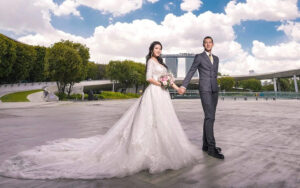
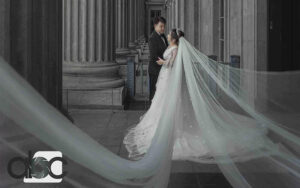
For couples, uncertainty about how to act together can create awkwardness. Focusing on interaction helps shift attention away from the camera. Walking together, talking, sharing a moment, or other simple actions naturally create expressions that feel genuine and connected.
How the Right Photographer Makes a Difference
Being camera-shy does not mean you cannot achieve natural and confident photos. With the right preparation, mindset, and environment, it is possible to feel more comfortable in front of the camera.
The environment created by the photographer plays a significant role in reducing camera shyness. A supportive and guided approach helps you feel more comfortable throughout the session.
At ABC Photography, this approach is part of every shoot. Established in Singapore in 2006, the studio has over 20 years of experience working with individuals, couples, and families. Our photography services in Singapore prioritise guiding clients through each pose to help them feel more comfortable throughout the session.
Contact us and let our team capture moments that feel authentic and true to you.